
Cereal Start
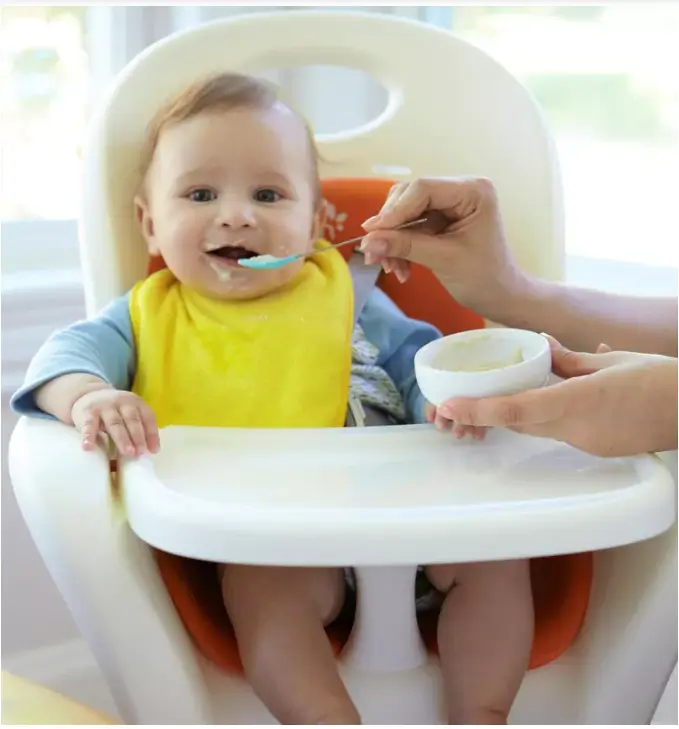
10 essential, evidence-based tips for introducing cereal to babies:
1. Timing matters more than the calendar Start solid foods, including cereal, around 4 months when your baby shows readiness signs: sitting with minimal support, showing interest in food, and losing the tongue-thrust reflex. Starting too early (before 4 months) can increase allergy and digestive issues.
2. Iron-fortified is non-negotiable Choose iron-fortified infant cereal, as babies’ iron stores from birth deplete around 6 months. Iron is critical for brain development, and breast milk alone doesn’t provide enough at this stage. This is one of cereal’s primary nutritional benefits.
10 essential, evidence-based tips for introducing cereal to babies:
3. Single grains first, then branch out Start with single-grain cereals like rice, oatmeal, or barley for 3-5 days each to monitor for allergic reactions. Once tolerated, you can introduce mixed grains and more variety.
4. Texture progression builds oral skills Begin with a very thin consistency (1 tablespoon cereal to 4-5 tablespoons liquid), then gradually thicken over weeks. This progression helps develop chewing muscles and prepares babies for more complex textures.
5. Mix with familiar liquids Use breast milk, formula, or water to mix cereal—never cow’s milk before age 1. Familiar liquids make the transition easier and maintain nutritional quality.
6. Rice cereal isn’t mandatory Despite traditional advice, you don’t have to start with rice cereal. Oatmeal or barley are equally appropriate first foods, and oatmeal may be gentler on constipation-prone babies.
7. Watch for arsenic in rice products Rice naturally absorbs arsenic from soil and water. Vary grain types and don’t rely exclusively on rice cereal. The FDA recommends limiting rice cereal consumption and choosing diverse whole grains.
8. Cereal is a bridge, not the destination Infant cereal serves as a transitional food providing iron and practice with spoon-feeding, but shouldn’t dominate the diet. By 8-9 months, prioritize diverse whole foods, vegetables, fruits, and proteins.
9. Never put cereal in bottles Adding cereal to bottles creates choking hazards, interferes with learning to eat from a spoon, and can lead to overfeeding. Babies need to learn the distinct skill of spoon-feeding.
10. Trust your baby’s appetite cues Start with just 1-2 teaspoons once daily, letting your baby guide portion sizes. Babies are naturally good at self-regulation—forcing food or ignoring fullness cues can disrupt this innate ability and create feeding struggles.
The key is remembering that starting solids is about learning and nutrition together, not just filling the belly. Every baby progresses at their own pace.
Disclaimer: This information is for general knowledge and should not be taken as medical advice. Always consult with a healthcare professional before starting or changing any supplement regimen.