
Diabetic Nutrition
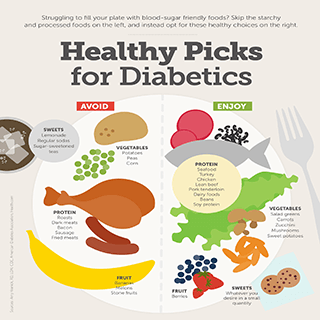
10 Essential Nutrition Tips for Diabetic Patients
Carbohydrate Count: Carbohydrates most directly impact blood sugar levels—learn to count them accurately as this forms the foundation of diabetic meal planning and glucose control.
Choose Low Glycemic Index Foods: Select whole grains, legumes, and non-starchy vegetables that raise blood sugar slowly, avoiding refined carbohydrates like white bread and sugary drinks that cause rapid spikes.
Fill Half Your Plate with Non-Starchy Vegetables: Leafy greens, broccoli, peppers, and cauliflower provide essential nutrients and fiber with minimal glycemic impact—making them your best friends.
10 Essential Nutrition Tips for Diabetic Patients
-
Build Balanced Meals: Combine protein, healthy fats, and fiber with carbohydrates to slow digestion and prevent rapid blood sugar spikes (example: apple slices with peanut butter instead of apple juice alone).
-
Practice Portion Control: Even healthy foods can raise blood sugar excessively when consumed in large quantities—stick to moderate portions like 3-4 ounces of protein per meal.
-
Prioritize Fiber: daily from whole grains, vegetables, fruits, and legumes to improve blood sugar control and support digestive health.
-
Never Skip Breakfast: Eating breakfast helps prevent afternoon and evening overeating while supporting stable glucose levels throughout the day and better overall control.
-
Monitor and Personalize: Check blood glucose before and after meals to see how specific foods affect YOUR individual response, allowing truly personalized meal planning.
-
Include Heart-Healthy Fats: Nuts, avocados, olive oil, and fatty fish support cardiovascular health—critically important since diabetics face increased heart disease risk.
-
Maintain Consistent Meal Timing: Eat meals at regular times to maintain stable blood sugar and allow medication timing to match food intake for optimal glucose management.
Remember: Proper nutrition management can improve insulin sensitivity, reduce medication requirements, and prevent serious diabetic complications while allowing you to enjoy satisfying, delicious meals.
Disclaimer: This information is for educational purposes and is not a substitute for professional medical advice. Always consult your doctor or a Registered Dietitian (RDN) before making significant changes to your diet or medication.