
Diarrhea
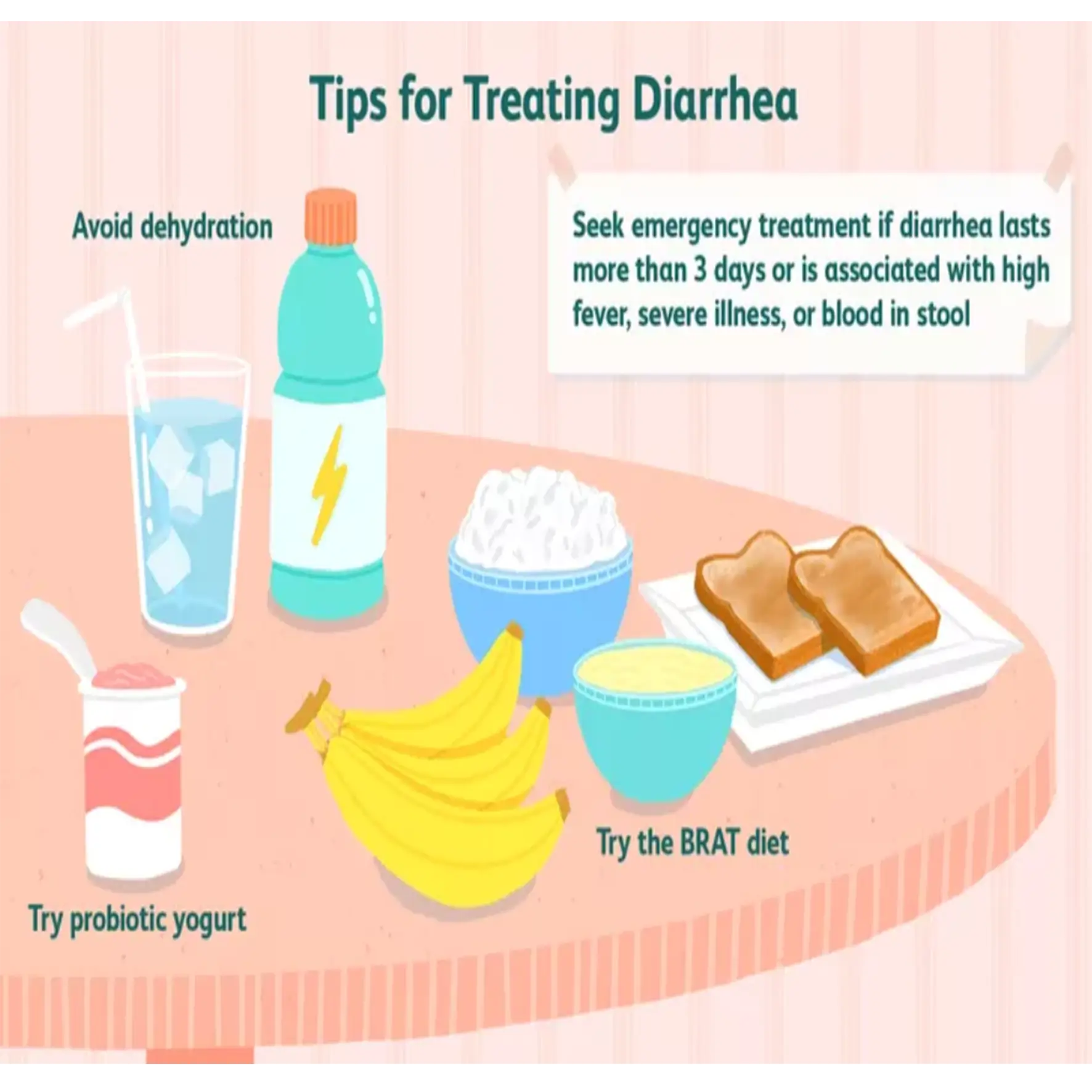
10 most important tips about Diarrhea
- Prioritize Oral Rehydration Solutions (ORS): Diarrhea can lead to significant fluid loss. ORS are designed to replace lost fluids and electrolytes, utilizing a specific ratio of glucose and electrolytes to promote water absorption in the intestines.
- The Zinc Intervention: Research indicates that zinc supplementation may help reduce the duration and severity of diarrhea, supporting immune function and intestinal recovery.
- Harness Targeted Probiotics: Specific probiotic strains may help restore the balance of gut flora that can be disrupted by diarrhea, potentially shortening its duration.
- Restore the Intestinal Barrier with Glutamine: The amino acid L-glutamine is important for the health and function of intestinal cells and may support the repair of the gut barrier during recovery.
- Utilize Soluble “Bulking” Fiber: Soluble fiber can help absorb excess fluid in the colon, which may lead to more formed stools and a slower transit time.
10 most important tips about Diarrhea
- Manage Secondary Lactose Intolerance: Following intestinal inflammation, some individuals may develop a temporary difficulty in digesting lactose. Reducing dairy intake temporarily can help prevent osmotic diarrhea.
- Identify Osmotic Triggers: Certain substances like artificial sweeteners and excessive fructose are poorly absorbed and can draw water into the intestines, potentially worsening diarrhea.
- The “Gentle” Carbohydrate Approach: Easily digestible, low-fiber carbohydrates, such as those found in bananas, rice, applesauce, and toast, can be gentler on an irritated digestive system and provide energy.
- Combat “Antibiotic-Associated” Shifts: Antibiotics can disrupt the natural balance of gut bacteria. If diarrhea occurs after antibiotic use, it is important to consult a doctor to assess potential causes like an overgrowth of certain bacteria.
- Adopt Small, Frequent Feedings: Consuming smaller meals more often can be less taxing on a compromised digestive system and may improve nutrient absorption during recovery.
For more detailed information, consult the CDC’s Guide on Diarrhea and Dehydration or the World Health Organization (WHO) Fact Sheet on Diarrhoeal Disease.
Disclaimer: This information is for general knowledge and should not be taken as medical advice. Seek immediate medical attention for high fever, blood in the stool, or signs of severe dehydration.